Physical Address
304 North Cardinal St.
Dorchester Center, MA 02124
Physical Address
304 North Cardinal St.
Dorchester Center, MA 02124

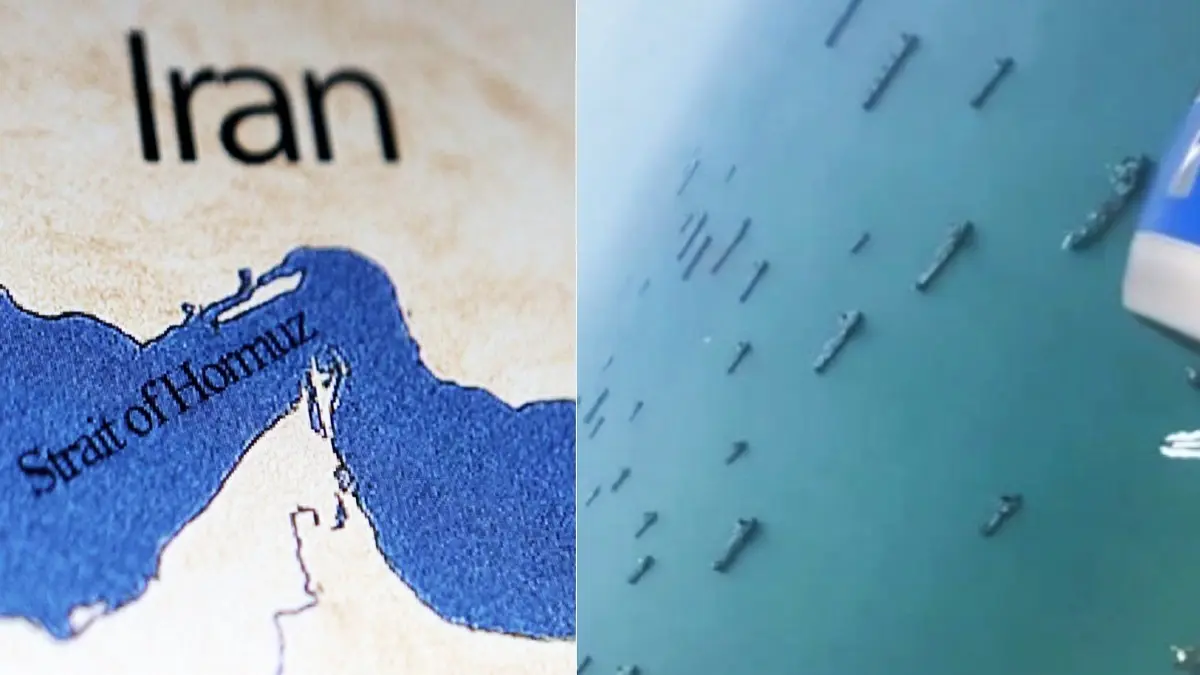
A landmark ceasefire understanding between the United States and Iran is moving toward a formal agreement, with the Strait of Hormuz — one of the world’s most critical shipping lanes — set to reopen as diplomatic activity accelerates across major world capitals.
Ships Moving, Oil Flowing Again
US President Donald Trump confirmed that vessels have already begun transiting the Strait of Hormuz, with several oil-laden ships making their way through the waterway toward safer southern routes. The development signals a significant easing of tensions following weeks of conflict between Washington and Tehran.
Vice President JD Vance, speaking to CNBC, said the full text of the ceasefire agreement is expected to be released within days, adding that the US anticipates the Strait remaining open for the long term without any toll charges. Vance noted that Iran’s Foreign Minister and Parliament Speaker are expected to represent Tehran at the formal signing ceremony, scheduled for Friday in Switzerland, where President Trump has also arrived ahead of the G7 summit.
US Navy Blockade Remains Until Signing
Despite the progress, the US military confirmed that its naval blockade on Iranian ports will remain in effect until the formal agreement is signed on June 19. A directive issued by the US military warned all vessels to refrain from attempting to breach the blockade until official clearance is given.
France Warns Iran Against Toll Fees
French President Emmanuel Macron issued a firm warning to Iran against imposing any toll or transit fees on ships passing through the Strait of Hormuz. Earlier, Iran’s state-run Fars News Agency had reported that Tehran sought to include a toll-related clause in the proposed deal. Macron rejected the notion outright, stating that France and the United Kingdom have a joint naval mission that could be deployed at short notice, with a French aircraft carrier capable of reaching the region within two to three days. He also dismissed suggestions that the ceasefire represented a victory for Iran, urging caution and patience in evaluating the agreement.
Global Reactions Pour In
The ceasefire has drawn widespread international response. Germany’s Chancellor Friedrich Merz welcomed the memorandum of understanding, describing it as a potential stabilising force for the global economy, while also calling for its principles to extend to the situation in Lebanon.
Saudi Arabia’s Foreign Ministry issued a statement welcoming the halt to military operations between the two sides, expressing support for the launch of detailed negotiations toward a permanent agreement within 60 days. Riyadh stressed that any final deal must respect the security interests and non-interference principles of regional nations.
China’s Foreign Ministry also welcomed the development, urging all parties to remain committed to peaceful dialogue and expressing hope that safe and free navigation through the Strait of Hormuz would be fully restored at the earliest.
Israel Signals Independence From Deal
Israel’s Defense Minister Katz stated that Israeli forces would not withdraw from areas currently under their control in Lebanon. Far-right National Security Minister Ben Gvir went further, openly condemning the US-Iran agreement and declaring that Israel considers itself unbound by its terms. Iran, for its part, called on Israel to halt all military operations against Lebanon immediately.