پتہ
304 نارتھ کارڈینل سٹریٹ.
ڈورچیسٹر سینٹر، ایم اے 02124
پتہ
304 نارتھ کارڈینل سٹریٹ.
ڈورچیسٹر سینٹر، ایم اے 02124

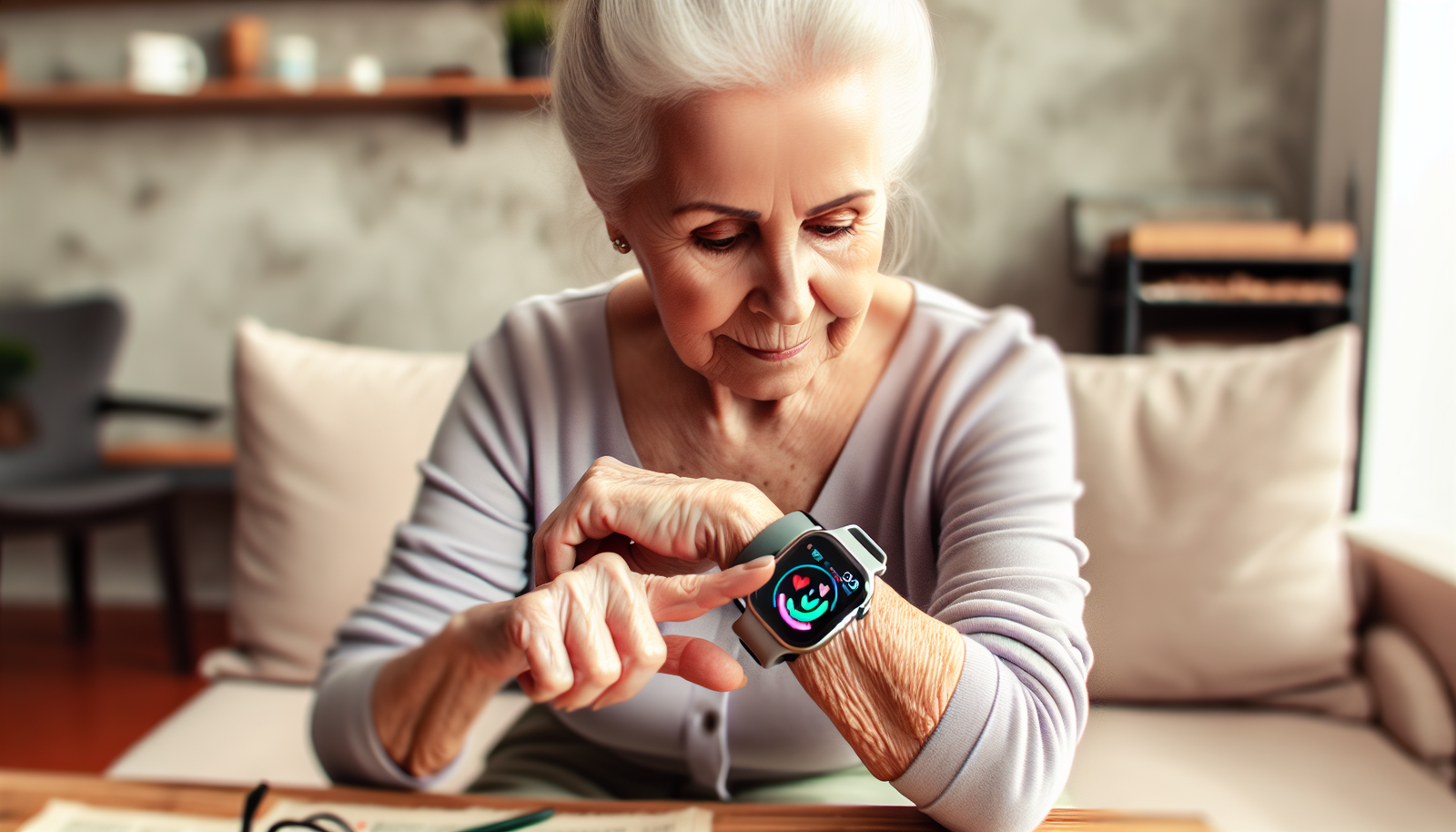
As a punishing heatwave grips Europe, the Italian capital has turned to wearable technology to keep its most vulnerable residents safe — and connected.
Dina Gazzella, an 85-year-old widow living in Rome’s eastern outskirts, lost her husband in 2023 and her cat the following year, leaving her alone at home. But she’s no longer truly isolated: a black, watch-style electronic bracelet now links her to a team of social workers who monitor her remotely.
The device tracks her heart rate and sleep patterns around the clock, detects falls through built-in motion sensors, and gives her a direct way to call for help if something goes wrong. “If I feel unwell, this is a lifesaver,” she told Reuters, adding that the bracelet has given her real peace of mind.
Part of a €400 million recovery-era program
The bracelet initiative isn’t a standalone gadget rollout — it’s one piece of a broader €400 million ($456 million) elderly-support scheme that Rome’s municipal government launched last year, funded through the EU’s post-pandemic recovery package. Around 700 residents are currently enrolled.
City officials are framing the program as a frontline public-health tool, arriving at a critical moment: temperatures in Rome have been pushing into the upper 30s Celsius as a deadly heatwave settles over much of Europe.
Why heat hits older bodies harder
Clinical psychologist Piera Pomente, who helps run the monitoring side of the program, explained why this age group needs closer attention during extreme heat. Blood pressure tends to drop and heart rates run slightly lower than normal in older adults, she said, which makes them considerably more vulnerable to heat stress than younger people.
The bracelet doesn’t just track vitals — it’s also designed to ease the anxiety and disorientation that can come with extreme heat, giving wearers (and their families) reassurance that help is just a button press away.
Privacy concerns, and a program still finding its footing
Not everyone embraced the idea immediately. Pomente said that of roughly 70 people who initially signed up, only about 45 remain active participants, with some dropping out over privacy concerns about being monitored. She was quick to push back on the idea that it amounts to surveillance: “It’s not like we spy inside their homes with cameras,” she said, noting the system tracks health metrics only — not video.
Her team operates Monday through Friday, 8:30 a.m. to 7 p.m. Outside those hours — nights and weekends — any alert from a bracelet is routed straight to family members through a mobile app.
Real emergencies, real outcomes
Over the past year, Pomente has personally dealt with two genuine emergencies through the system: one person collapsed on the street, another slipped from a wheelchair at home. In both cases, the bracelet’s alert reached relatives in time for them to respond quickly.
Most days, though, the program runs on something much simpler than crisis response. Social workers call participants daily just to check in — making sure medications have been taken, asking how they’re coping with the heat, or simply lending an ear if someone is feeling bored or lonely. As Pomente put it, the goal is “helping them share their day, their emotions, and the excessive heat” — combining hard data with basic human connection.