Physical Address
304 North Cardinal St.
Dorchester Center, MA 02124
Physical Address
304 North Cardinal St.
Dorchester Center, MA 02124

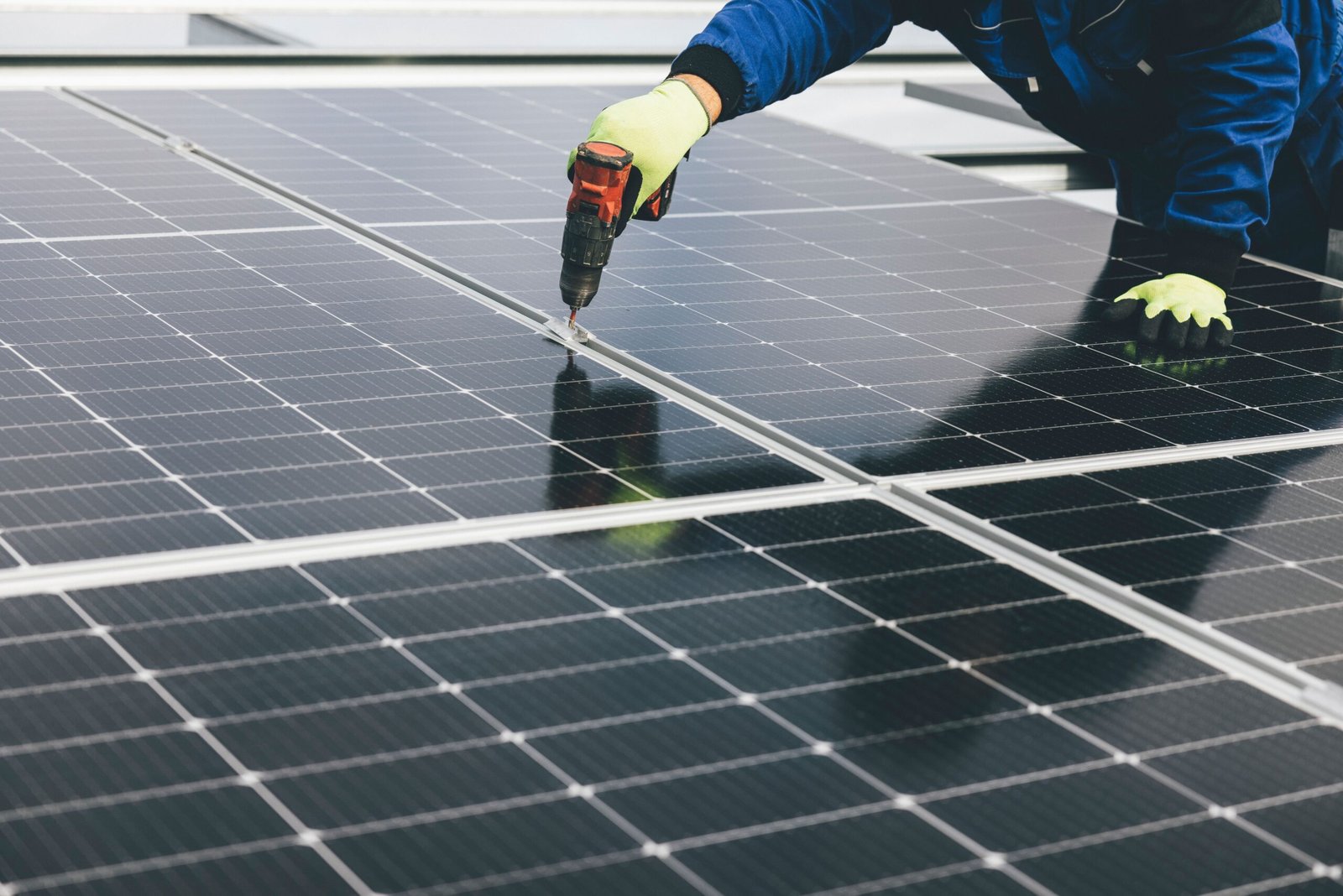
In a remarkable leap forward for renewable energy, scientists have successfully developed a new type of solar panel capable of producing electricity without any exposure to sunlight — drawing power instead from ordinary indoor lighting such as bulbs and LEDs.
As the global energy crisis continues to drive demand for alternative power solutions, conventional solar panels have become increasingly popular worldwide. However, their dependence on direct sunlight has long been considered a limitation. This new breakthrough addresses that challenge head-on.
The innovative panels are built using a material called perovskite, which has gained significant attention in the scientific community for its potential to transform the renewable energy landscape. Unlike traditional silicon-based solar cells, perovskite can be fine-tuned at a molecular level, making it highly adaptable to different light conditions — including the dim, artificial light found inside homes and offices.
Researchers at Taiwan’s National Yang Ming Chiao Tung University played a key role in advancing this technology. The team identified and resolved minor structural defects within the perovskite material using a targeted chemical treatment, making the solar cells stable and practical enough for everyday use — a hurdle that had previously held back wider adoption.
The panels work by absorbing photons from artificial light sources and converting them into usable electrical current, much the same way traditional solar panels work outdoors in sunlight. The result is a self-sustaining power source that can function around the clock, regardless of weather or time of day.
According to the researchers, the immediate practical applications include charging small electronic devices such as remote controls, smartwatches, and wearable health monitors — gadgets that currently rely on disposable batteries. In the long run, the technology holds significant promise for powering the rapidly expanding Internet of Things (IoT) ecosystem, where billions of low-power sensors and devices require constant but modest energy supplies.
This development could prove especially valuable in countries facing energy shortages, offering a new avenue toward energy independence through technology that works even within the four walls of a home.